

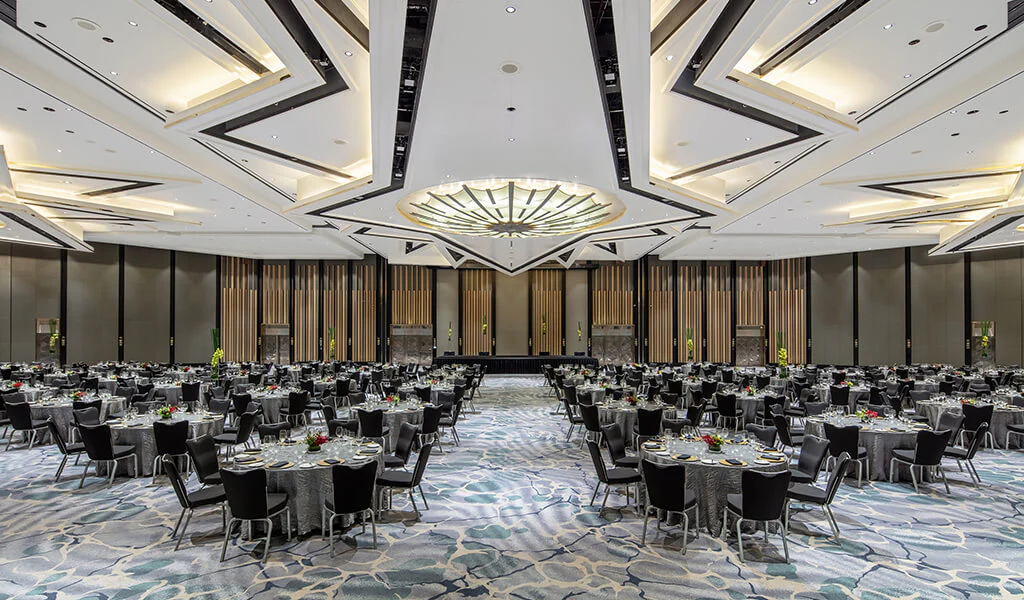
Broadloom carpet is a type of flooring manufactured and supplied in long rolls with a standard wide width (typically 3.66m or 4.0m). It is designed to cover large floor areas with minimal seams, providing a highly consistent and aesthetically pleasing finish for interior spaces.
Material Structure
Broadloom carpets feature a complex multi-layer construction designed to ensure structural durability and a comfortable underfoot experience. A standard broadloom carpet consists of the following components:
Pile / Yarn Layer
The top surface layer determines both the appearance and performance of the carpet. Common fiber options include:
- Nylon (Nylon 6 or Nylon 6.6): Offers the highest durability, excellent resilience against crushing, superior stain resistance, and is ideal for high-traffic environments.
- Polypropylene (PP): Cost-effective, moisture-resistant, and colorfast, although less resilient than nylon.
- Wool: A premium natural fiber with inherent fire resistance, excellent acoustic properties, and luxurious aesthetics.
Primary Backing
Typically made from woven polypropylene fabric, this layer serves as the foundation into which carpet fibers are tufted or woven.
Latex Compound
A specialized adhesive layer that bonds the carpet fibers to the primary backing and stabilizes the carpet structure.
Secondary Backing
The bottom layer that comes into contact with the floor, commonly made of Action Bac woven backing or cushioned felt/foam backing. This layer improves dimensional stability, reduces stretching, and enhances acoustic performance.
Wool Used in Carpet Manufacturing
Wool carpets are primarily made from natural sheep wool. Depending on project requirements, weaving technology, and budget considerations, different wool sources and blends are used throughout the industry.
100% Natural Wool
Natural sheep wool is considered the benchmark for premium wool carpets due to its natural crimp, excellent resilience, and ability to retain its appearance over time.
The world’s leading wool carpet manufacturers typically source wool from two major regions:
New Zealand Wool
Often regarded as the gold standard of the carpet industry, New Zealand wool is renowned for being among the whitest, cleanest, and softest wool available. Its natural brightness allows for vibrant color dyeing, pastel shades, and highly detailed printed carpet designs.
British Wool
Raised in harsher climates, British sheep produce fibers that are coarser, denser, and more robust. This wool offers exceptional resistance to wear and is particularly suitable for Axminster carpets used in hotel corridors, lobbies, casinos, and other high-traffic environments.
Other Premium Natural Fibers
For luxury handcrafted carpets, especially hand-knotted rugs, sheep wool may be combined with or replaced by more exclusive natural fibers:
- Silk: Used alongside wool to create rich luster, color-shifting effects under light, and enhanced pattern definition.
- Cashmere / Mohair: Derived from Cashmere goats or Angora goats, providing an exceptionally soft and luxurious surface reserved for premium decorative carpets.
Wool Blends
In commercial projects such as luxury hotels and premium offices, 100% wool carpets may be considered costly and can shed fibers during their initial period of use.
For this reason, many manufacturers adopt the industry-preferred blend of: 80% Wool + 20% Nylon. This combination improves durability and dimensional stability while preserving the natural appearance and comfort of wool.
Faux Wool / Acrylic Fiber
Some carpets marketed as “wool carpets” at significantly lower prices are actually manufactured using acrylic fibers (polyacrylonitrile). Acrylic fibers are engineered to imitate the warmth, softness, and appearance of natural wool.
Advantages:
- Lower cost
- Good resistance to moisture and mildew
- No fiber shedding
Disadvantages:
- More susceptible to crushing under furniture loads
- Higher static attraction, resulting in greater dirt retention
- Lower long-term durability compared to natural wool or premium nylon fibers
Applications
Due to their seamless appearance across large areas, broadloom carpets are an ideal flooring solution for:
Hotels & Resorts
Corridors, guest rooms, ballrooms, conference facilities, and large public spaces where luxury, comfort, and sound absorption are essential.
Office Environments
Open-plan offices, executive meeting rooms, boardrooms, and reception areas.
Convention & Event Centers
Large venues with heavy foot traffic and requirements for consistent patterns and aesthetics.
Premium Commercial Spaces
Cinemas, casinos, luxury retail showrooms, and similar environments.
Key Advantages
Seamless Appearance
Minimizes visible seams across large floor areas and allows for larger, more intricate patterns than carpet tiles.
Superior Acoustic & Thermal Performance
The combination of carpet pile and underlay significantly reduces noise transmission and reverberation while providing thermal insulation.
Enhanced Underfoot Comfort
Installed over underlay and stretch-fitted systems, broadloom carpets offer a noticeably softer and more comfortable walking experience than directly adhered carpet tiles.
Pricing
Broadloom carpet pricing varies significantly depending on fiber composition, pattern complexity, color requirements, and manufacturing technology.
For the most accurate recommendation and quotation, please contact our sales specialists directly.
Note: Quotations typically include carpet materials, underlay, edge trims, site-specific wastage allowances, and professional installation labor.